
Wege des Aussterbens – Lebensraumzerstörung

image_pdf

Auch die Lebensraumzerstörung ist kein ganz neues Problem. Der vermutlich älteste Fall eines von Menschen dokumentierten Artenverlusts fällt in diese Kategorie: Silphium, ein Heilkraut, dessen Saft in der Antike mit Silber aufgewogen wurde und das nur in einer kleinen Region um Kyrene an der Küste des heutigen Libyens vorkam. Plinius der Ältere schreibt, dass die Ausweitung der Schafsweiden auf das Gebiet, in dem die Doldenblütler wuchsen, zum Verschwinden dieser geführt hätte. Der letzte entdeckte Halm sei 50 n. Chr. als fürstliches Geschenk an Kaiser Nero gesandt worden.

Aktuell ist dies der Hauptfaktor für den Verlust an Artenvielfalt. Ein Beispiel aus der Gegenwart ist der australische Warzenhonigfresser. Ab den 1940er-Jahren nahm der Bestand dieser Art rapide ab, sie wird als akut vom Aussterben eingestuft. Die Gründe dafür sind hauptsächlich Holzeinschlag und die Ausbreitung landwirtschaftlicher Flächen. Aufgrund des zurückgehenden Bestands haben Jungvögel in einigen Gebieten nicht mehr ausreichend erwachsene „Vorbilder“, von denen sie den Balz-Gesang übernehmen könnten. Dies hat dazu geführt, dass sich junge Männchen den arttypischen Gesang nur noch teilweise aneignen oder sogar den Paarungsgesang anderer Arten übernehmen, wodurch sie geringere Chancen auf eigenen Nachwuchs haben.
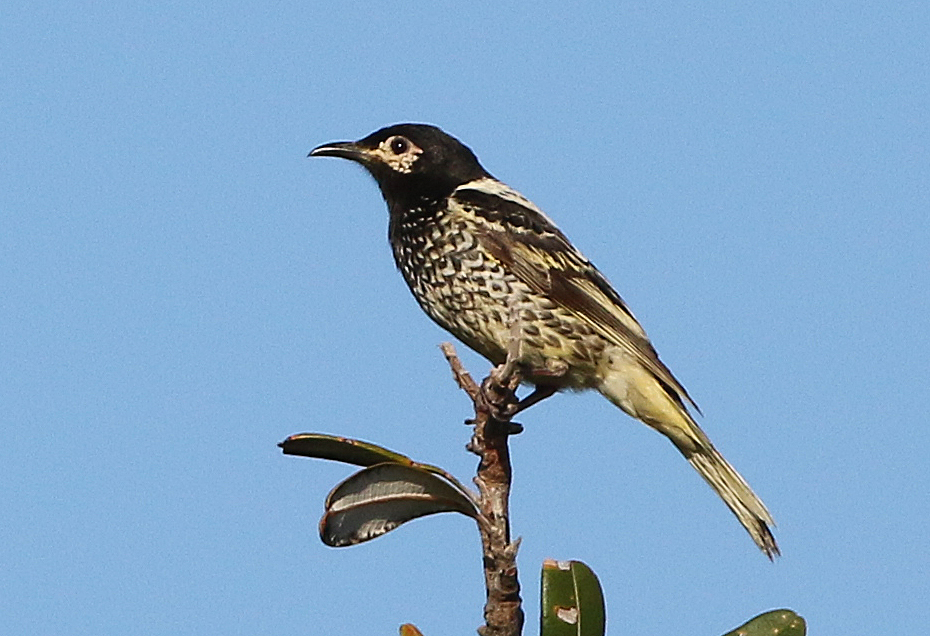
Warzenhonigfresser (Anthochaera phrygia), Foto von Lachlan Copeland.

Regent honeyeater (Anthochaera phrygia), foto by Lachlan Copeland.

Pathways of Extinction – Habitat Destruction

Habitat destruction is not an entirely new problem either. What is believed to be the oldest documented case of species loss caused by humans falls into this category: Silphium, a medicinal herb whose sap was valued as highly as silver in ancient times and which grew only in a small region around Cyrene on the coast of present-day Libya. Pliny the Elder writes that the expansion of sheep pastures into the area where the umbelliferous plant grew led to its disappearance. The last known stalk was sent in 50 AD as a princely gift to Emperor Nero.


Currently, this is the main factor contributing to the loss of biodiversity. A contemporary example is the Australian regent honeyeater. Beginning in the 1940s, the population of this species declined rapidly; it is now classified as critically endangered. The main reasons for this are logging and the expansion of agricultural land. Due to the declining population, young birds in some areas no longer have enough adult “role models” from whom they can learn the courtship song. This has led to young males only partially acquiring the species-specific song or even adopting the mating calls of other species, thereby reducing their chances of having offspring of their own.