Coming soon: Dead as a Dodo

Expected from 4 September 2026 at the Natural History Museum Bamberg.

This new special exhibition, developed in-house in cooperation with the Bamberg artist Thomas Michel, explores the various causes of the current biodiversity crisis, with a particular focus on the birds displayed in Bamberg’s historic Bird Hall. At the same time, it highlights positive conservation success stories and presents ways in which this trend can be countered. Thomas Michel’s paintings offer inverted views into the display cases of the Bird Hall, depicting the preserved diversity in a distorted form. Using their own smartphones, visitors can transform these images back into their original colours and embark on a search for the corresponding original specimens.
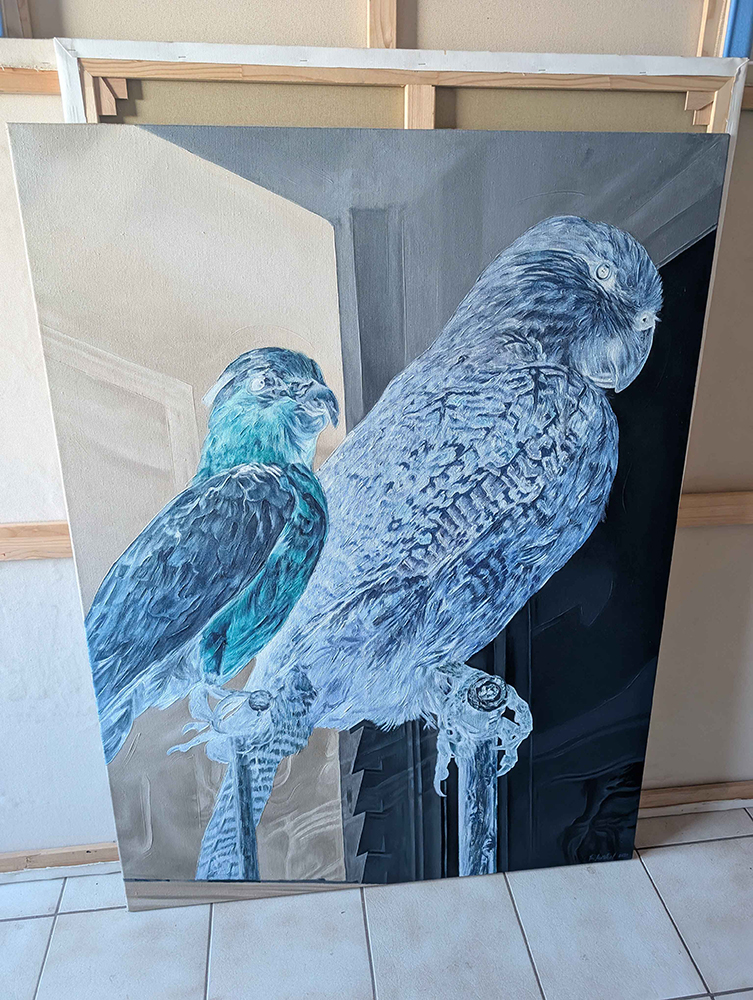
The paintings are complemented by display cases containing taxidermy specimens of bird species not depicted in the artworks. These specimens tell stories related to three thematic areas. In the first gallery, visitors are introduced both to the causes of species extinction and to successful conservation efforts that have saved—or continue to save—certain species from extinction. In the second gallery, the central exhibit is a newly created, scientifically accurate reconstruction of the Dodo, produced specifically for the Natural History Museum Bamberg (NKMB).

The exhibition offers visitors insight into the complex processes that drive species extinction. While negative examples illustrate the severity of the current situation, the positive case studies presented alongside them demonstrate that meaningful opportunities for action still exist and that conservation success remains possible.
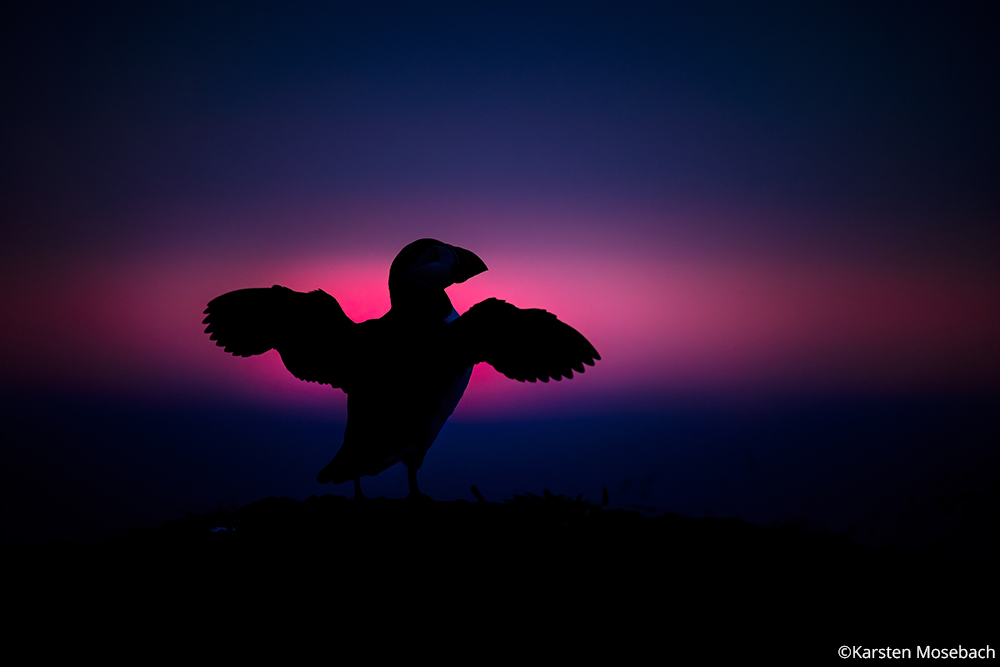
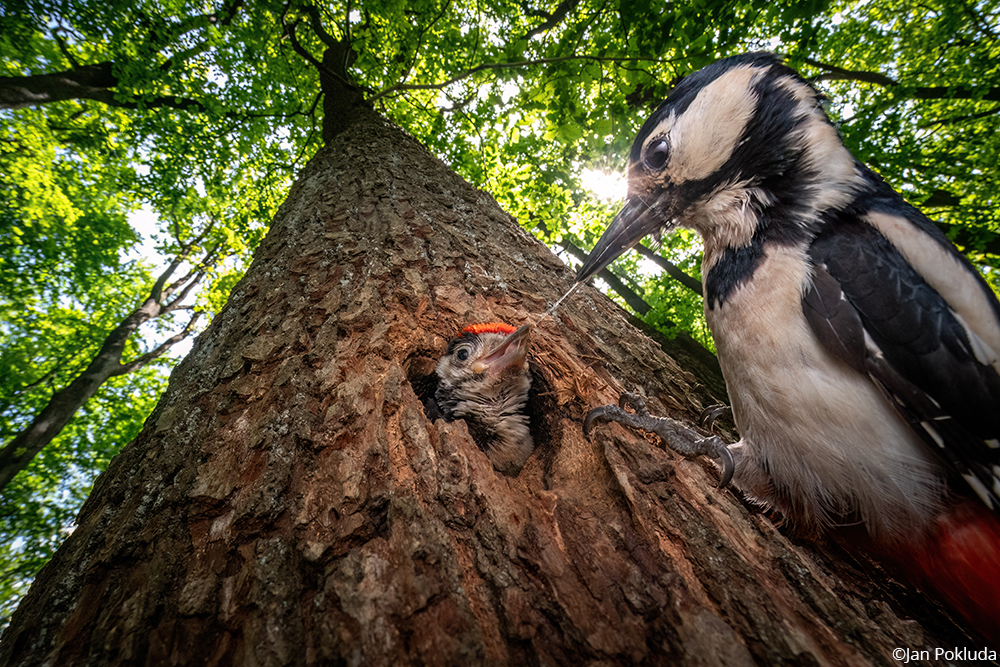
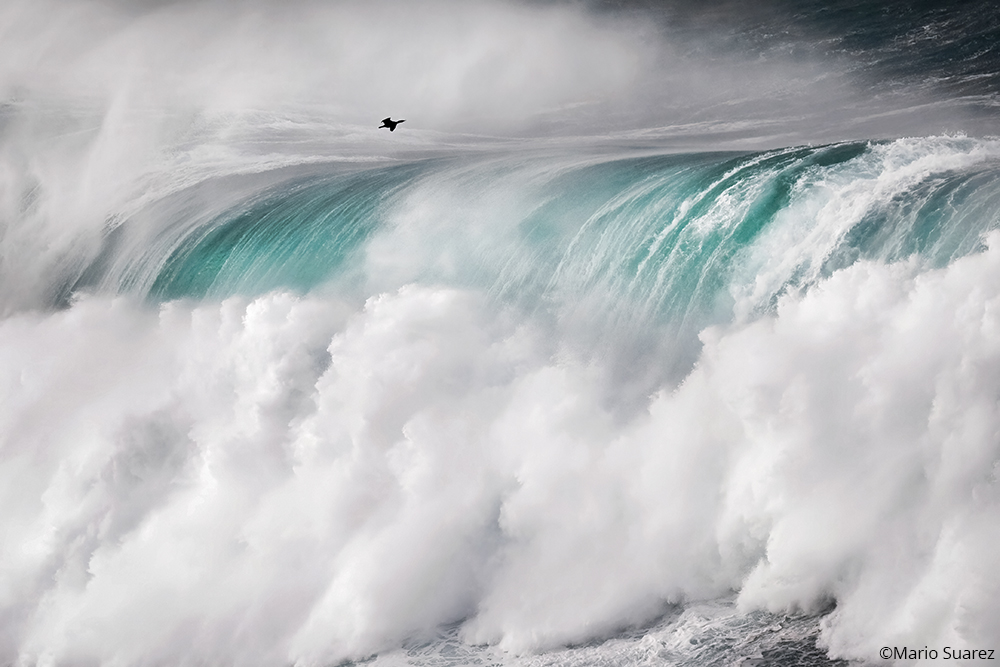
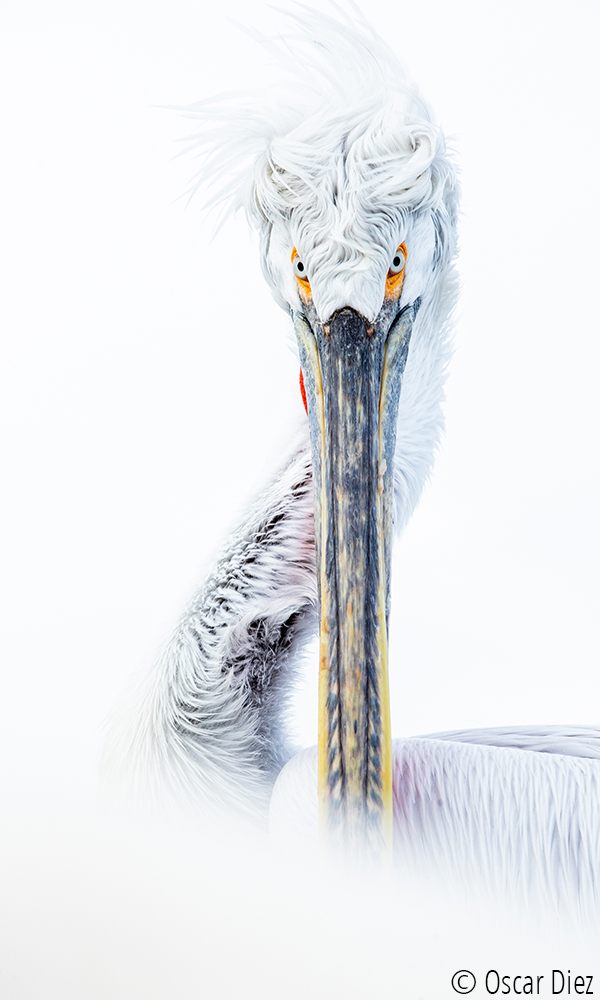
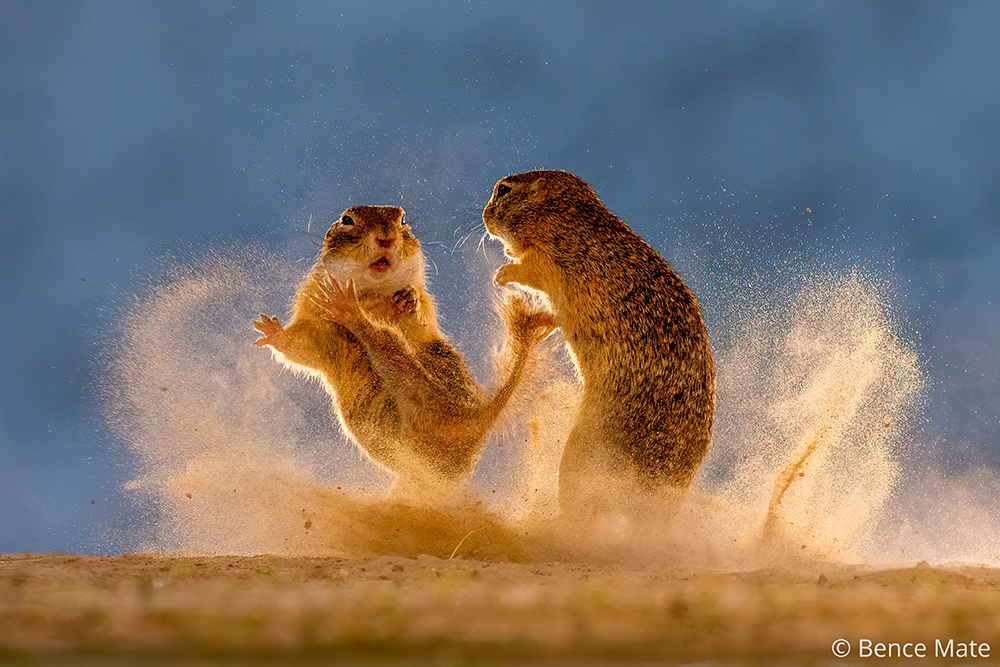
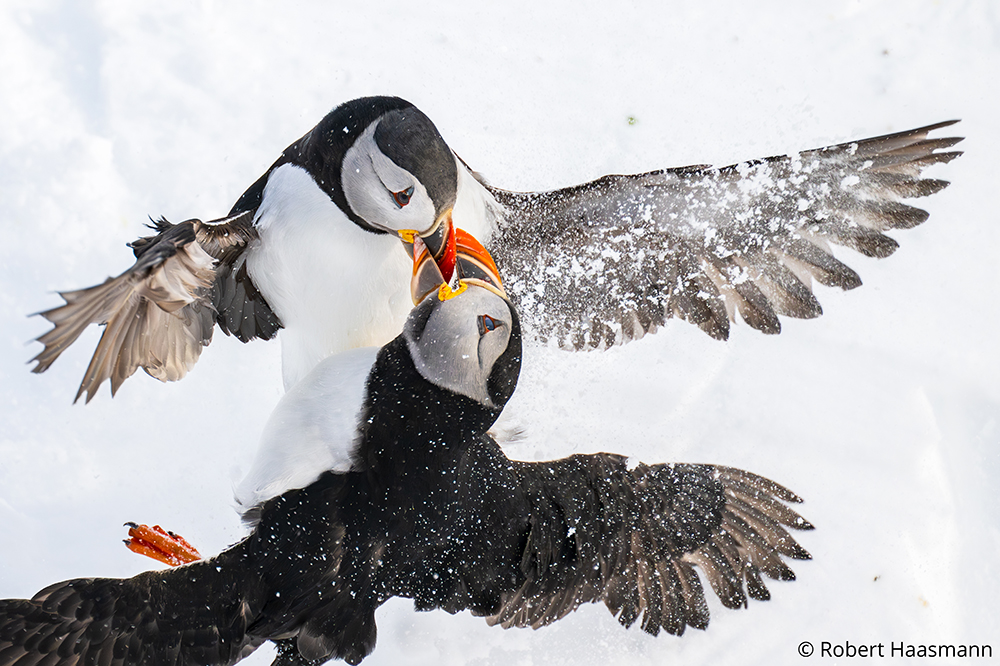
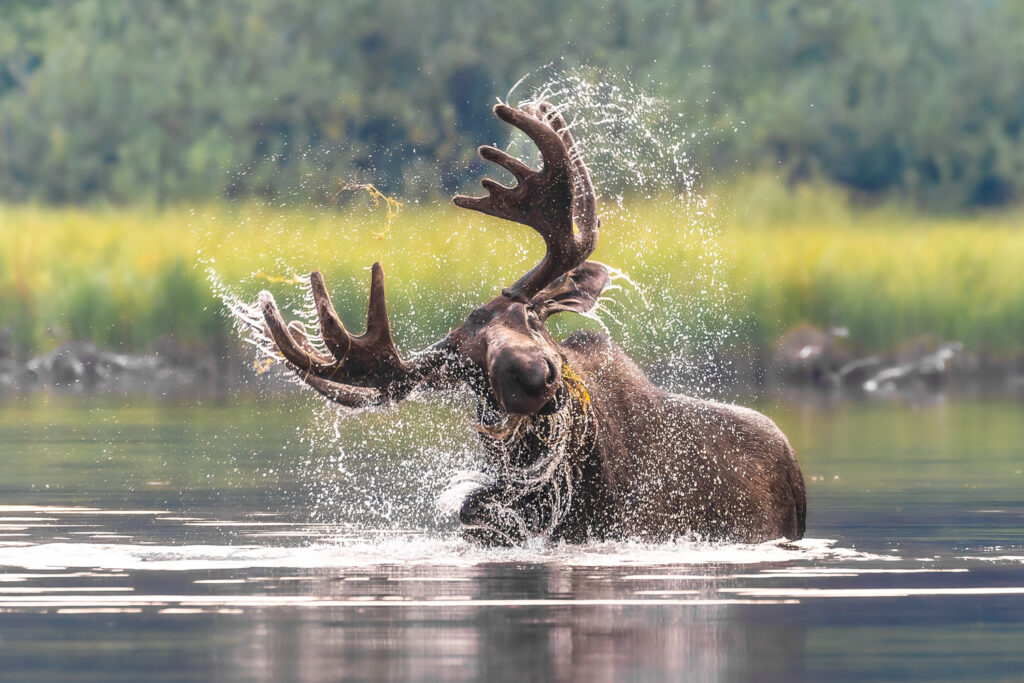
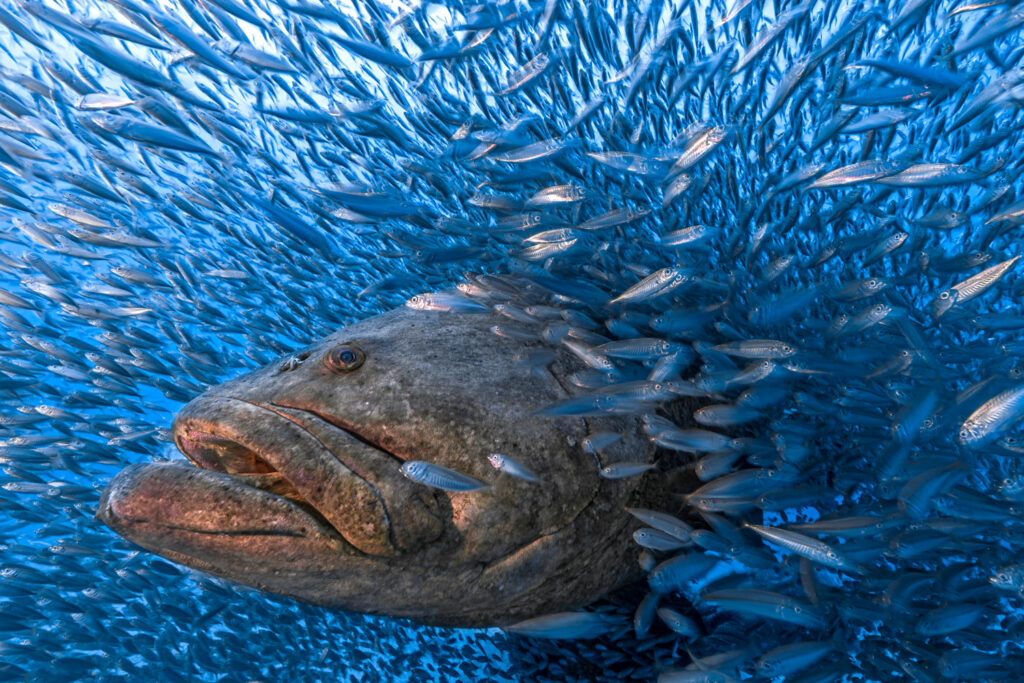
Highlights of nature photography 2026

19. May 2026 – 30. August 2026

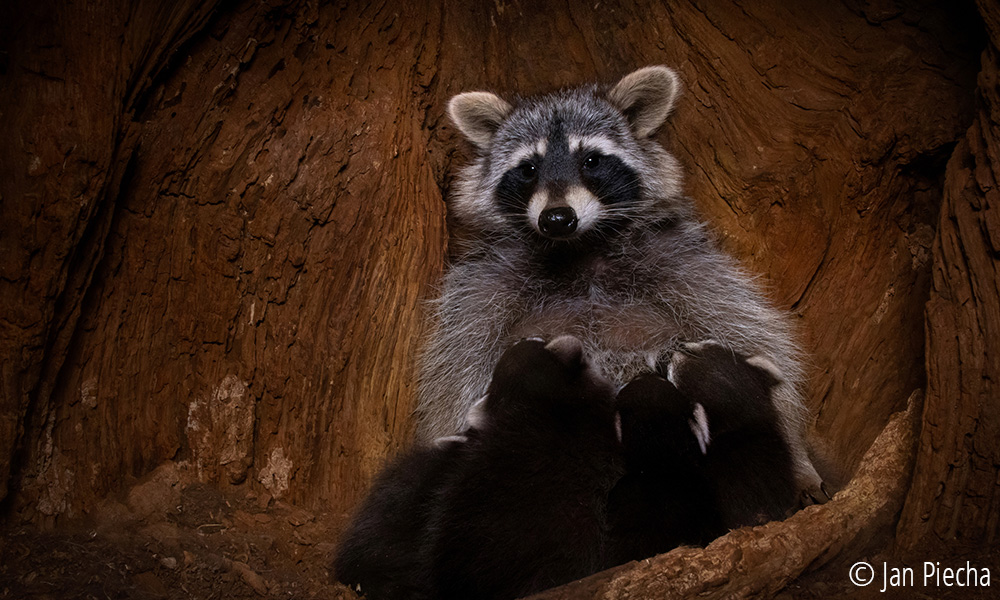
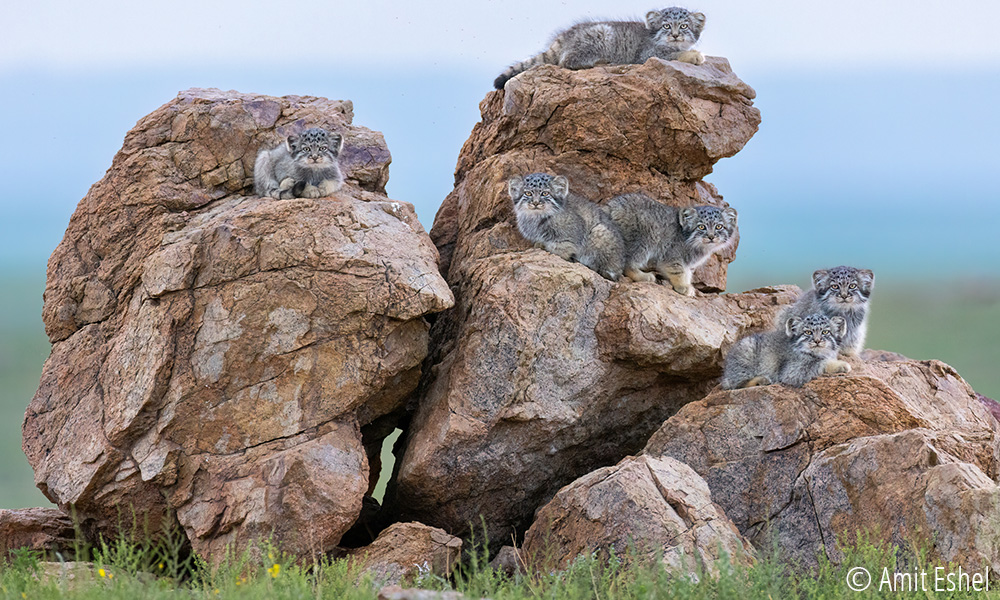
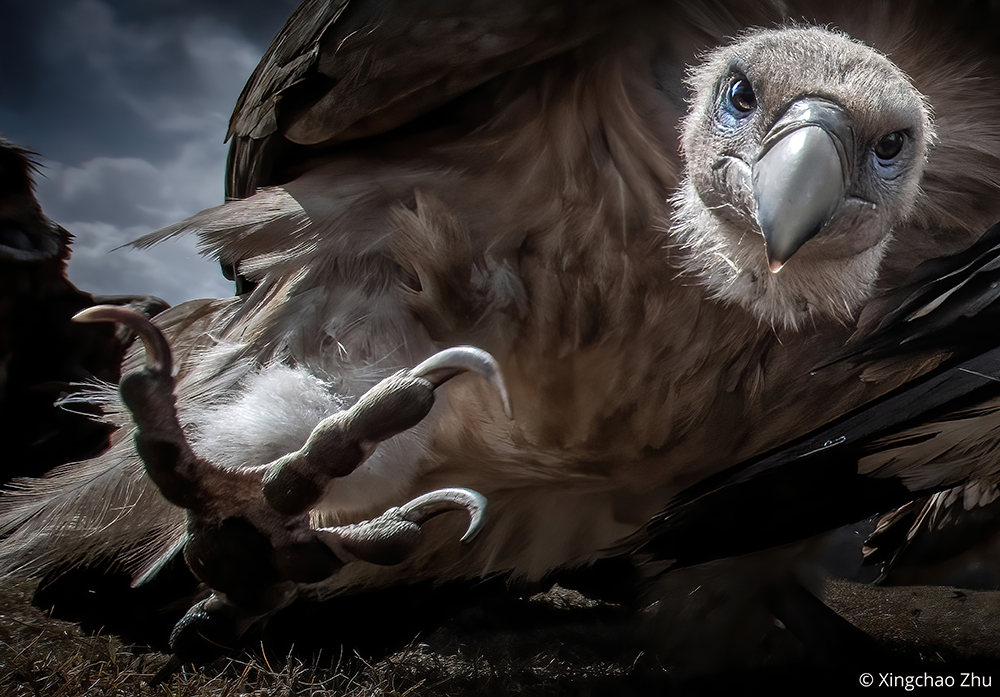
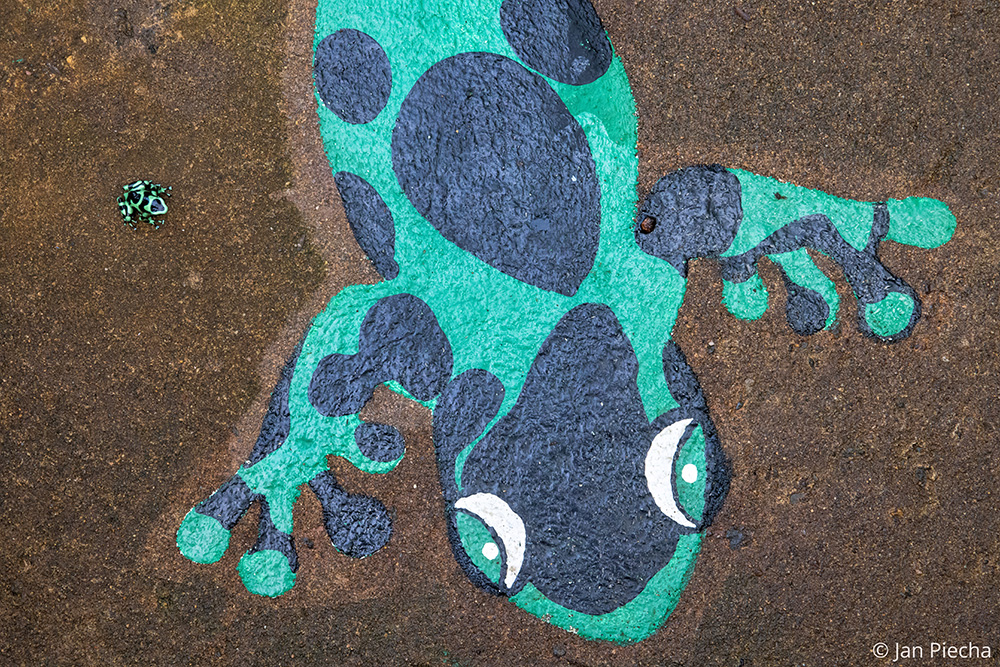
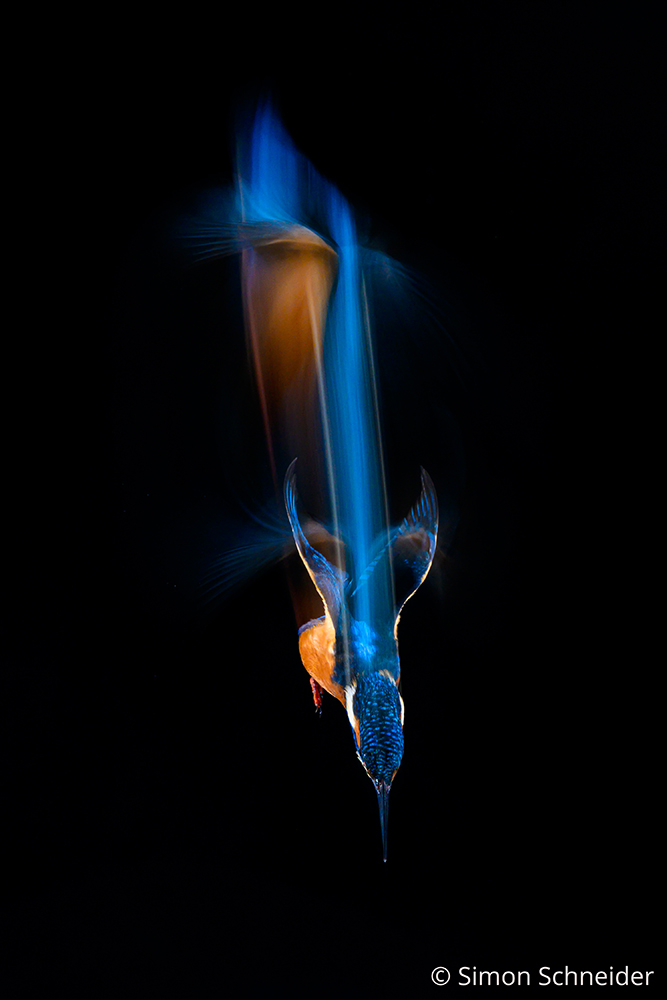
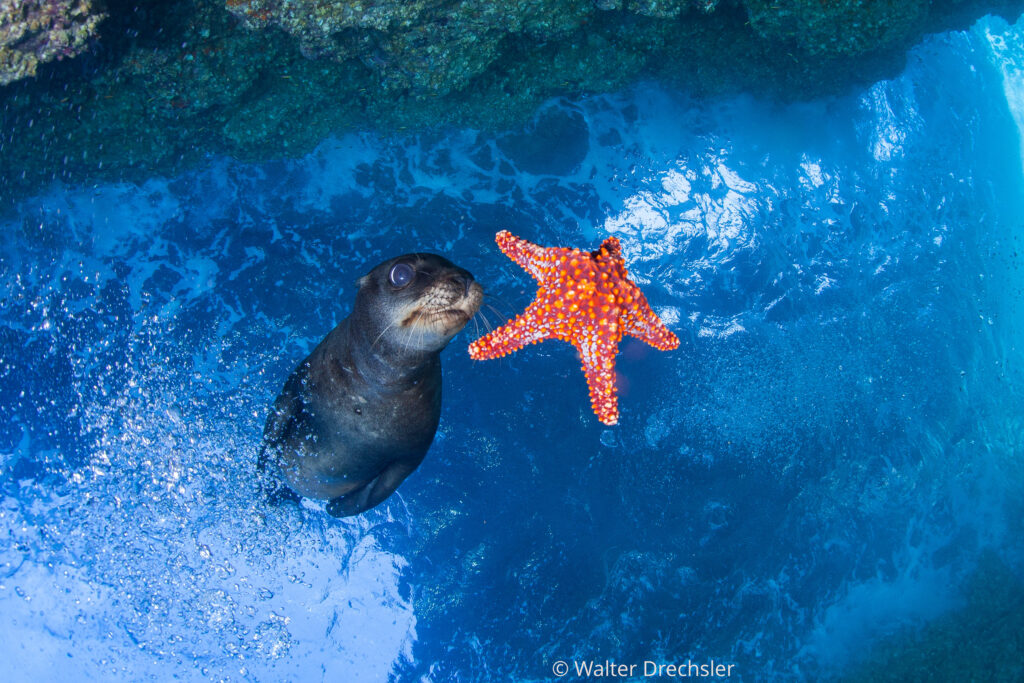
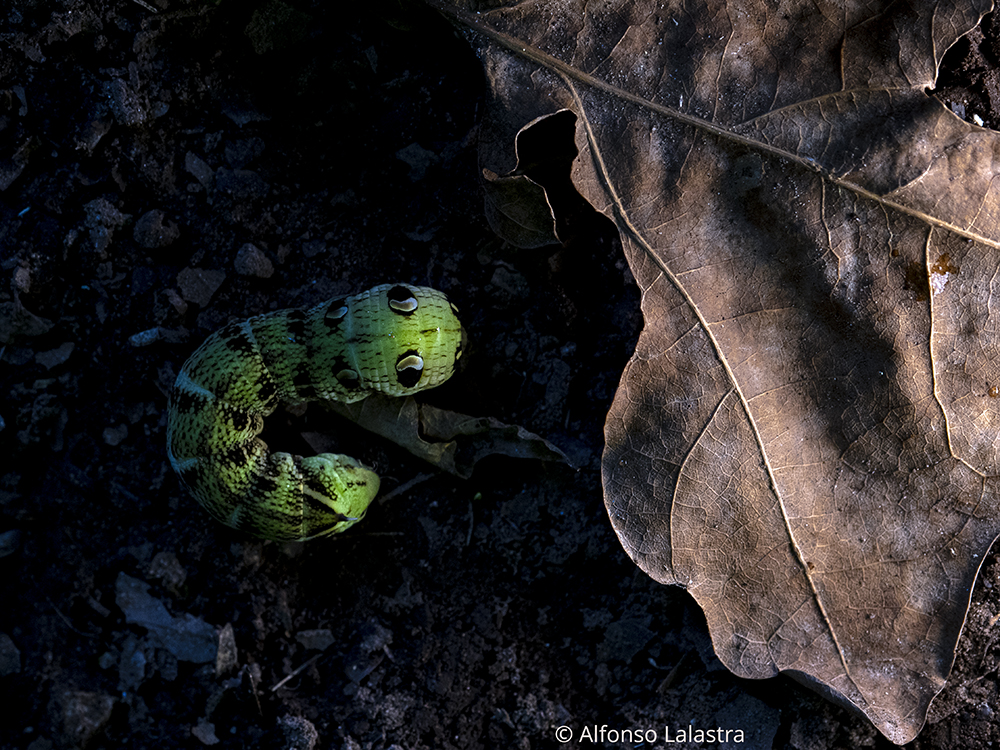
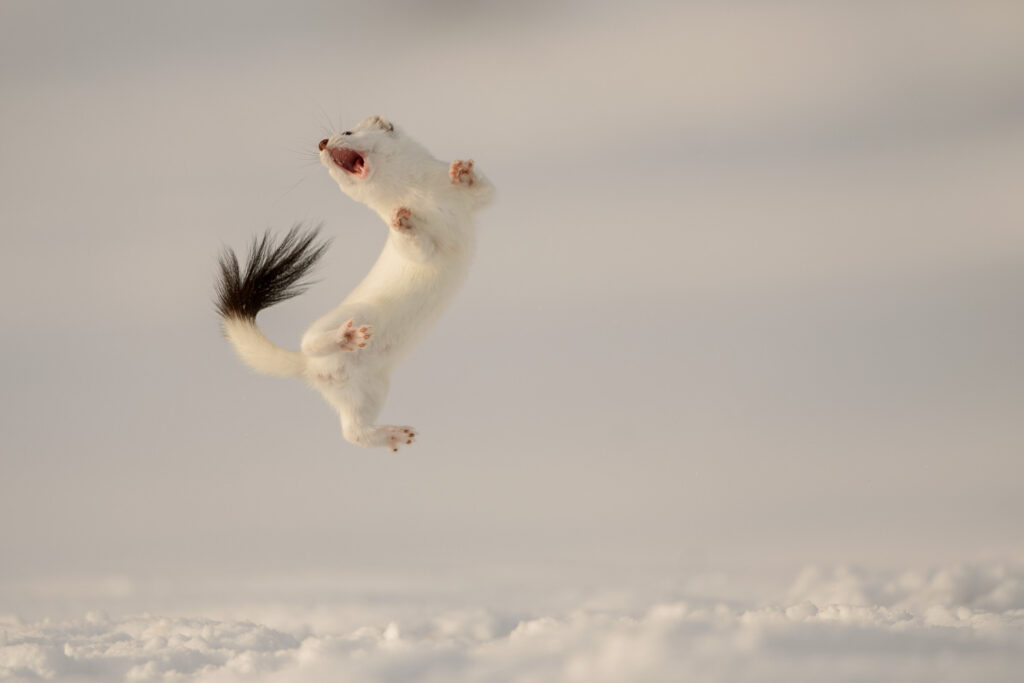
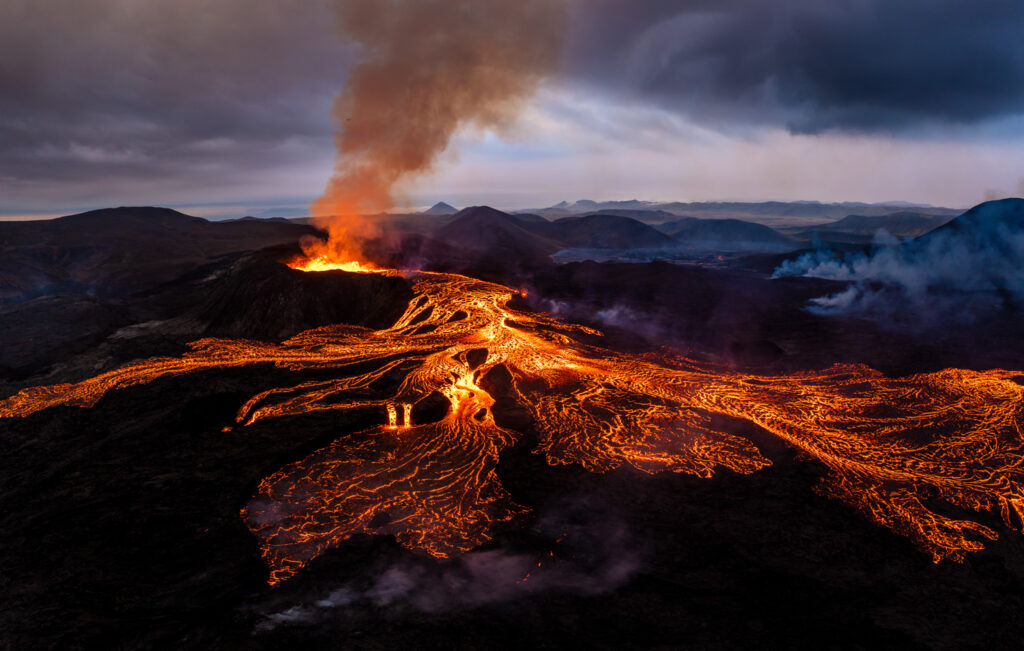
For the 28th time, the international competition “Highlights of Nature Photography” has honored outstanding photographs. The prestigious competition, which since 1999 has recognized fascinating, moving, and spectacular nature images from around the world, has once again set new records, thereby reaffirming its status as one of the most significant platforms for nature photography worldwide. This year, 24,674 entries were received from 1,074 photographers in 44 countries—once again a significant increase over the previous year. Since taking over the competition two years ago, both the number of participants and the international recognition and prestige of Highlights have grown steadily. “It is a great pleasure to see how our commitment is bearing fruit,” said Lisa Marie Smit, the new competition director.

Competition in new hands since 2025
Under the leadership of Florian and Lisa Marie Smit, the competition continues to uphold the core principle of honest and authentic nature photography. At the same time, modern processes and digital
tools streamline the submission process and ensure greater transparency in the judging process. In particular, the redesign of the website and the overhaul of the competition platform have enabled
participants to easily submit their work and gain better insight into the jury’s deliberations.

https://glanzlichter-competition.com/


Review: BananaRama – A research journey to the Banana

31. March 2026 – 17. May 2026

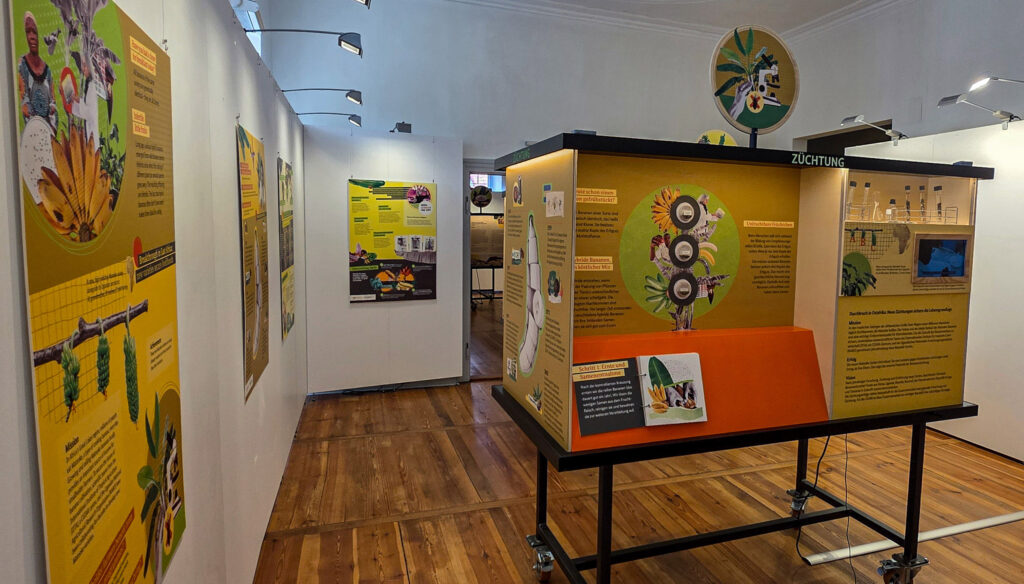
Bananas are among the most important cultivated plants in the world—they are a food source, a source of income, and part of global trade networks. The new special exhibition at the Natural History Museum Bamberg explores the world of the banana, from its biology to its remarkable diversity, from the laboratory to the field, and offers fascinating insights into banana research: How can new varieties be bred? What do drones have to do with banana cultivation?

Today’s agriculture is facing major global challenges: climate change, soil degradation, biodiversity loss, and the need to make food production more sustainable are among the most pressing issues of our time. Conventional banana cultivation is often characterized by monocultures, intensive use of pesticides and fertilizers, and high water consumption. This can lead to environmental damage, soil erosion, and threats to biodiversity.

Interactive elements and selected exhibits show the role that international agricultural research plays—and why preserving crop diversity, protecting plants from disease, and ensuring access to knowledge can be vital for survival. At the center of the exhibition is the plantain, a staple food for millions of people around the world.

The exhibition was developed by the German Agency for International Cooperation (GIZ) on behalf of the Federal Ministry for Economic Cooperation and Development (BMZ). Based on the work of the CGIAR, it makes one thing clear: food security and climate change are global challenges that can only be addressed together.


Review: Highlights of nature photography 2025

10. May 2025 – 13. July 2025

This year, the Bamberg Natural History Museum is once again showing the winning images from the 27th edition of the international “Highlights of Nature Photography” competition in the form of a special exhibition. The renowned competition, which has been awarding prizes for fascinating, touching and spectacular photographs from all over the world since 1999, has honored outstanding images. With almost 23,000 images submitted by 949 photographers from 35 countries, the competition underlines the unbroken fascination for nature photography and our planet Earth worldwide. The award-winning images captivate with their aesthetic power, their narrative depth and technical sophistication.

Competition in new hands
Under this year’s new management of Florian and Lisa Marie Smit, the photo competition launched by Mara Fuhrmann will be continued responsibly and with full passion. A few things have already been changed and modernized, and the small adjustments are already having an effect: this year a new record was set for the number of photo submissions. The number of participants also reached its highest level since 2019, and more than 1,500 people became aware of the competition on social media in just a few weeks and followed the channels. This makes the “Highlights of Nature Photography”one of the three largest nature photography competitions in Europe. Further adjustments will follow step by step, but the basic idea of the competition remains the same: honest and genuine nature photography. The award-winning works not only show the beauty of nature, but also focus on the respectful treatment of it.


Review: „All time in the world – from the Big Bang to clock time“

1. Aug. 2024 – 30. March 2025

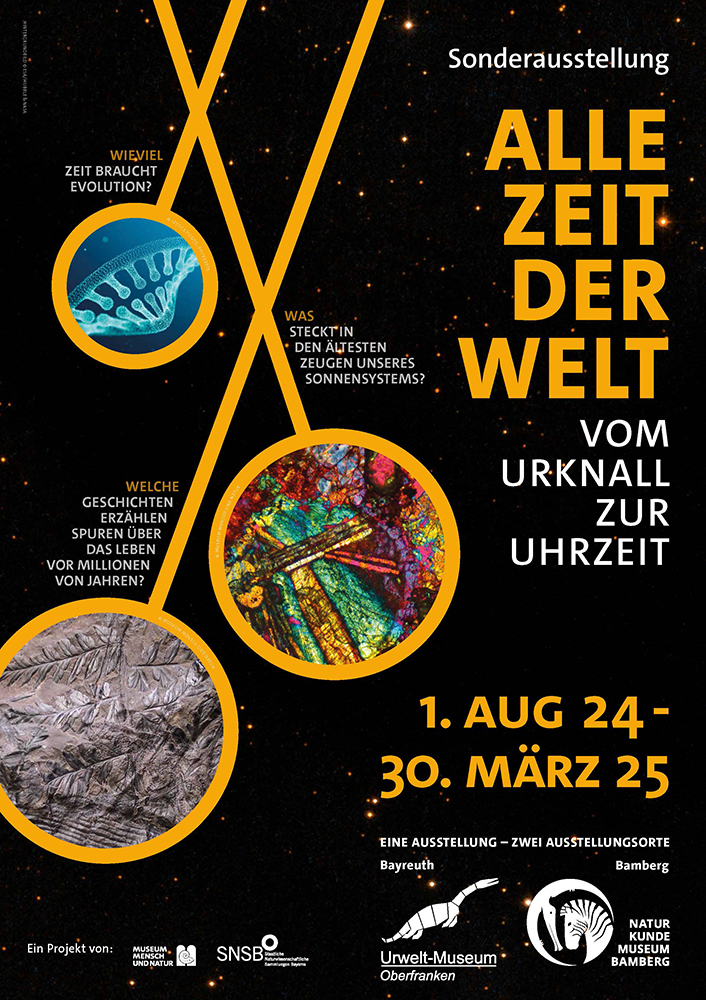
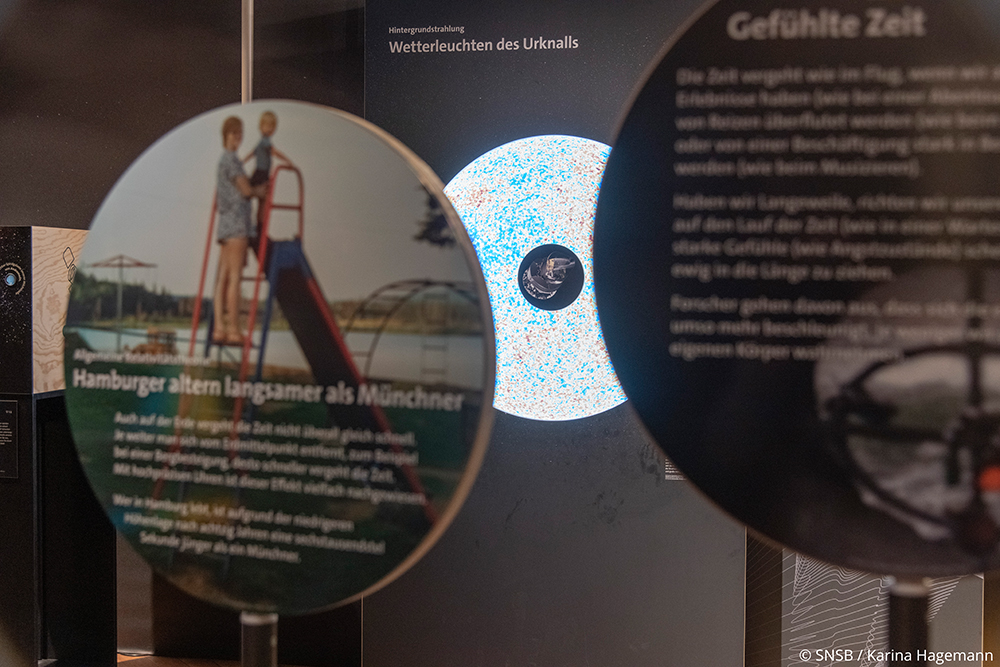
Time determines our lives. Almost all of us are guided by the clock day in, day out – by deadlines and schedules. We take for granted how days, weeks, months and years pass – and realise that our own lifetime is limited. Time is therefore something quite commonplace, something that affects us all directly and yet is difficult or impossible for us to understand and explain. In the exhibition ‘All time in the world’, the Bamberg Natural History Museum and the Bayreuth Prehistoric Museum are focussing on this multifaceted topic.

In the exhibition, the well-known astrophysicist and science journalist Harald Lesch accompanies visitors on their journey through time and space. Numerous exhibits, spectacular images and stagings as well as hands-on objects and special children’s stations make the exhibition an experience for young and old alike.

The content of the exhibition was developed by the Museum Mensch und Natur team together with members of the planning staff of the Bavarian Natural History Museum. The collections and regional museums of the Bavarian State Natural History Collections were also involved in the project. The exhibition is also supported by a large number of other institutions worldwide.

Through time and space

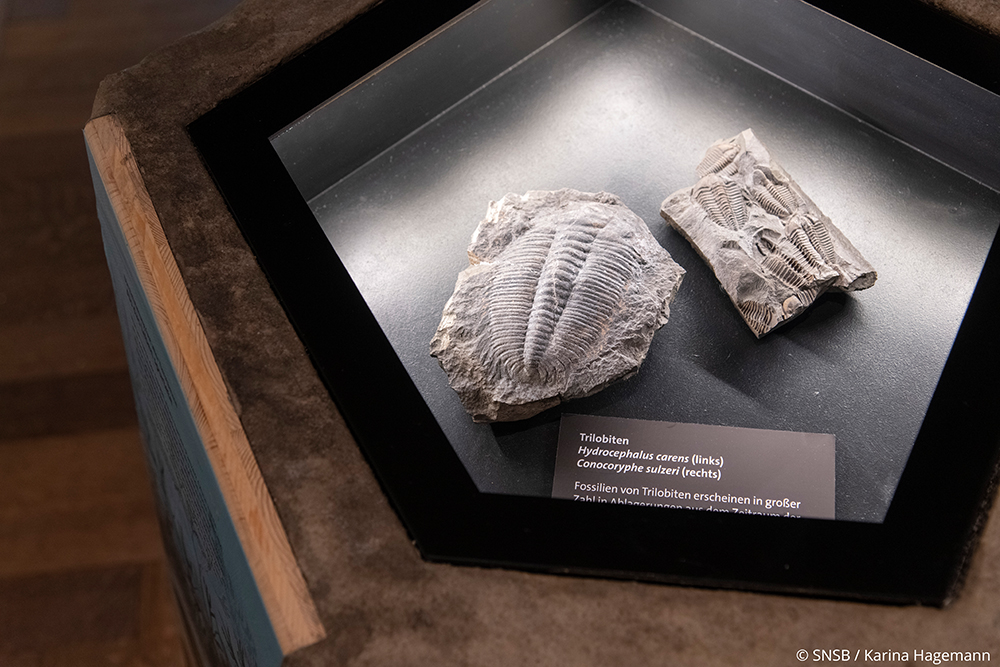
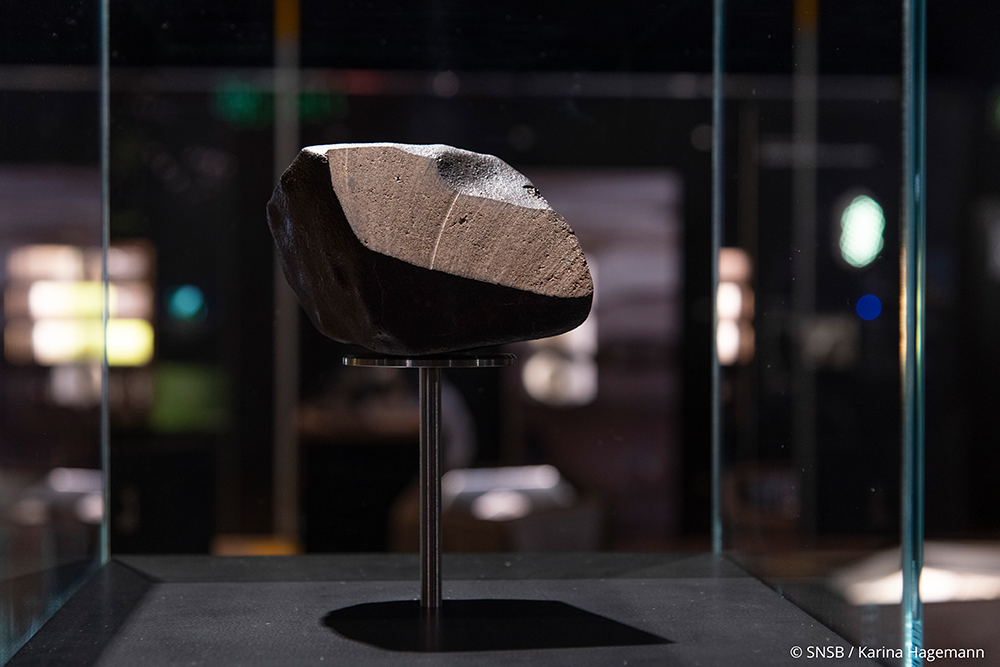
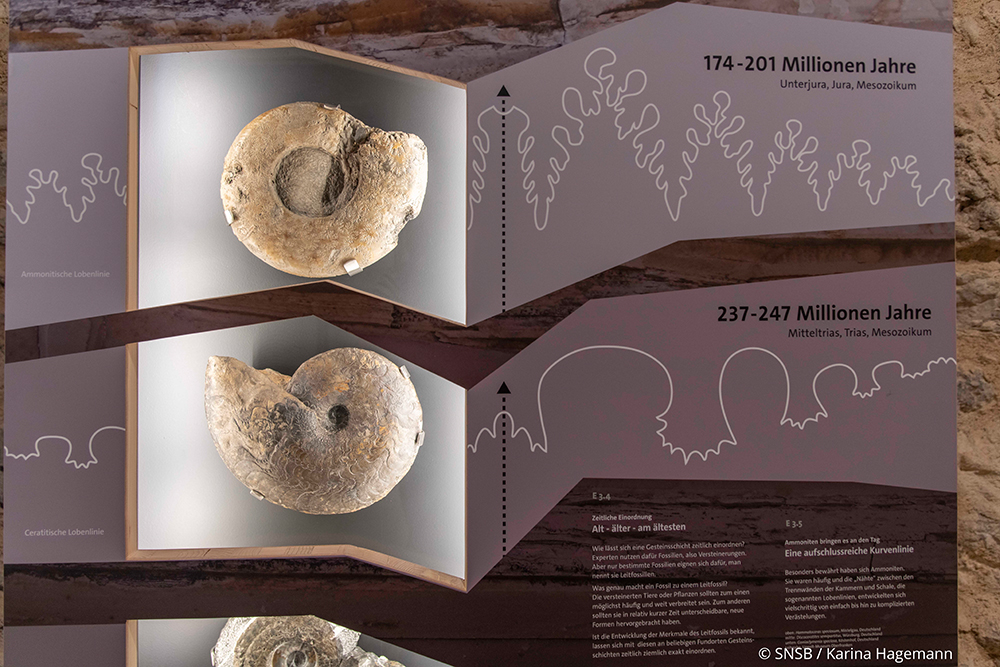
With an impressive installation, the exhibition takes us back to the beginning of all things – the Big Bang 13.8 billion years ago. Today, ever larger and better telescopes allow us to look not only to incredible distances, but also ever deeper into the past and thus into the early days of the universe. The history of the Earth, which was formed around 4.55 billion years ago, forms the second part of the exhibition. Among other things, the oldest minerals and rocks on earth, which are more than 4 billion years old, can be admired here. Numerous exhibits show how the earth is still in a constant process of change today and fossils show us different periods of the earth’s history.

Who actually turns the internal clock?

At the same time as the Bamberg Natural History Museum, the Urwelt-Museum Oberfranken in Bayreuth is showing another aspect of the special exhibition, showing how time is an elementary factor affecting living beings and their evolution. All higher organisms go through a cycle of growth, reproduction and ageing, which ultimately leads to death. However, the duration and course of this process differ significantly – some plants and animals only live for a few weeks, while others reach an age of hundreds or even over 1,000 years. The Bayreuth exhibition shows examples of particularly extreme lifespans and developmental paths.

Visitors with an admission ticket for the other museum receive reduced admission to the current museum.


Review: Highlights of nature photography 2024

24. April 2024 – 30. June 2024

In 2024, the Bamberg Natural History Museum will once again present the highlights of nature photography in the tried and tested tradition. The international photo competition is organised by Mara Fuhrmann and Udo Höcke from ‘projekt natur & fotografie’. This year marks the 26th edition of the competition.

Every year, a changing jury led by Mara Fuhrmann selects the best nature photographs, true ‘highlights’, in nine different categories, which are presented together with the winners of the Fritz Pölking Award and the Junior Award in our special exhibition.

Click here for the competition website: https://www.glanzlichter.com/


Review: Petrified weather

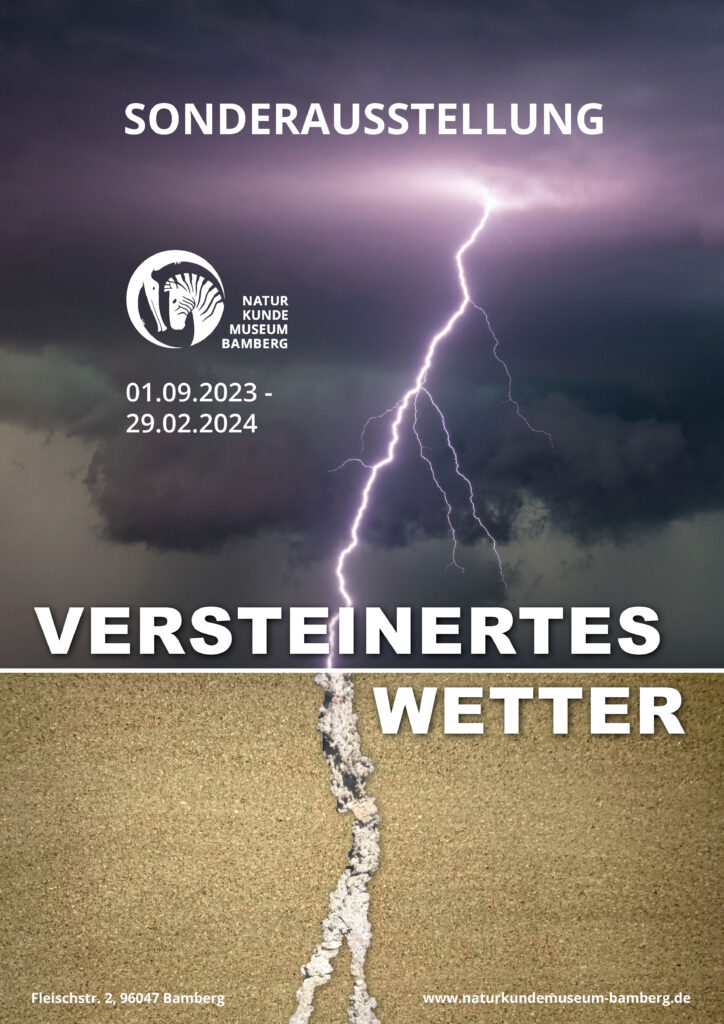
Can lightning actually ‘petrify’? And what about raindrops? What traces does wind leave behind? We will get to the bottom of these questions in our new special exhibition from 1 September 2023. The duration has been extended until 31 March 2024!

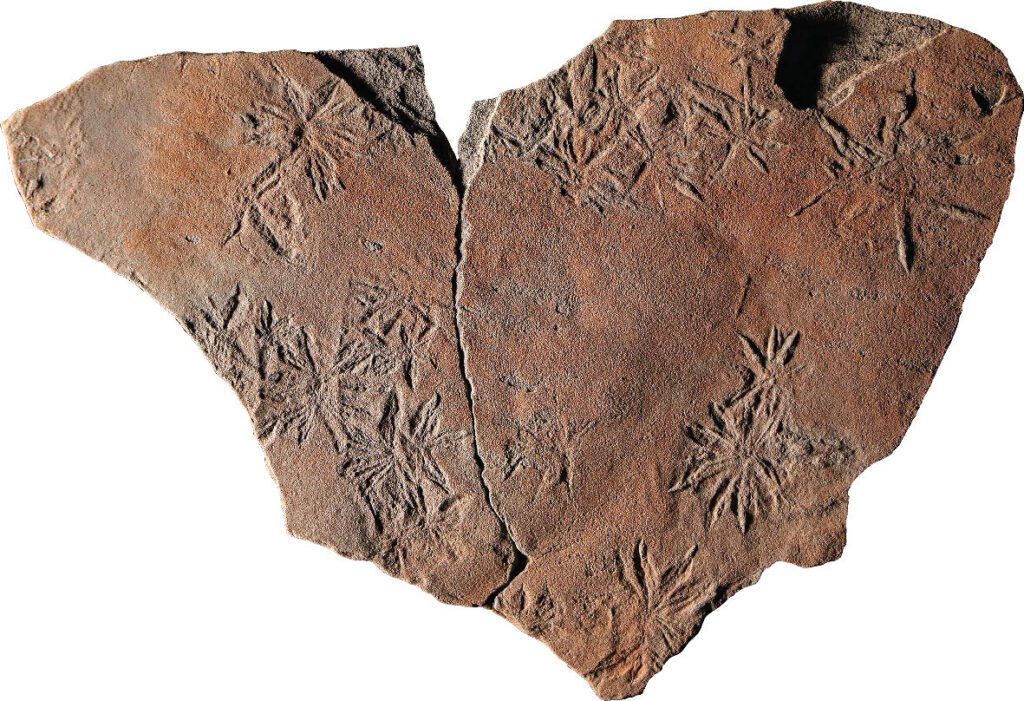
Eiskristallmarken

‘Bad weather!’ said the dinosaur.
Weather influences us always and everywhere, regardless of the short-term atmospheric condition. Weather has already decided wars and destroyed entire civilisations. Yet weather phenomena are much older than the dinosaurs.

What do we actually know about the weather in the past? Historical records of this go back
only go back a few millennia at best. Stones, on the other hand, can store data for much longer, over hundreds of millions of years. Almost every known weather phenomenon can leave fossilised traces, some of which are among the most aesthetic formations of inanimate nature.

Come with us on an unusual journey through the world of the weather of yesterday, today and tomorrow! With spectacular geological objects, ten well-known weather phenomena – drought, heat, wind, storm, thunderstorm, hail, rain, flood, frost and snow – are examined in detail. You can also ‘make weather’ yourself at interactive stations.

The special exhibition designed by the GEOSKOP Burg Lichtenberg prehistoric museum contains exhibits from several German natural history museums and scientific institutions. It was created especially for
Bamberg with artefacts from the holdings of the Bamberg Natural History Museum and from Franconian archaeological sites. It not only shows spectacular traces of weather in the rock dating back millions of years, but also invites young and old to experiment and participate with numerous hands-on exhibits on various weather phenomena, including a lightning machine and a mini tornado.

The bilingual exhibition (German/English) will be on display at the Bamberg Natural History Museum until 31 March 2024.

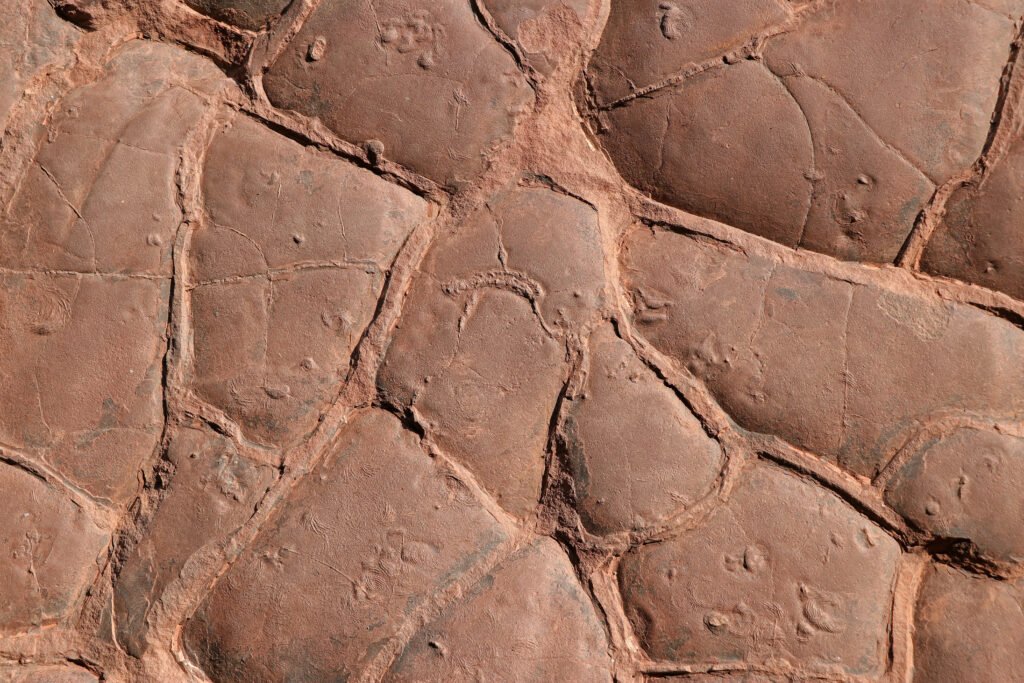
Etwa 290 Millionen Jahre alter versteinerter Schlamm mit Trockenrissen aus der Ursaurier-Fossilfundstelle "Bromacker" in Thüringen. Foto: S. Voigt.


Review: Highlights of nature photography 2023

06. July 2023 – 27. August 2023

In 2023, the Bamberg Natural History Museum will once again be showing the highlights of nature photography in keeping with tradition. This international photo competition is organised by Mara Fuhrmann and Udo Höcke, the ‘projekt natur & fotografie’. This year marks the 25th anniversary of this competition.

Every year, a changing jury led by Mara Fuhrmann selects the best nature photographs, true ‘highlights’, in eight different categories, which are presented in the special exhibition together with the winners of the Fritz Pölking Award and the Junior Award.

Link to the competition website: https://www.glanzlichter.com/


Review: So much more than just T. rex!

20. January 2023 – 30. June 2023

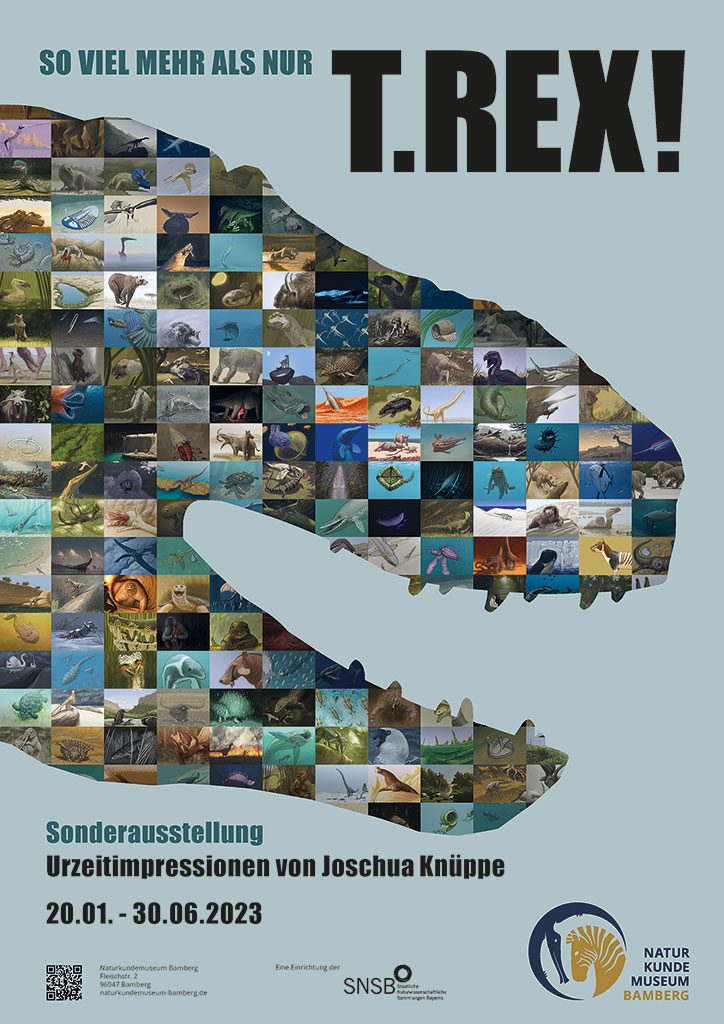
The Bamberg Natural History Museum’s special exhibition ‘SO MUCH MORE THAN JUST T. REX!’ focuses on the palaeoart of artist Joschua Knüppe. Palaeoart is the artistic reconstruction of extinct organisms and ecosystems based on scientific findings. Over many hundreds of millions of years of evolution, the most diverse life forms have emerged and disappeared again on our planet. The public only knows a tiny fraction of them.

In this exhibition, Joschua Knüppe, born in 1992, shows a selection of his visually impressive works that span the entire history of the earth, ranging from the earliest life forms to well-known and lesser-known dinosaurs and the giants of the last ice age. The works on display include traditional drawings and paintings on paper as well as digital images, graphics and animations. The result is a plausible picture of prehistoric times beyond the mainstream, with countless facets that not only Hollywood but also the relevant specialist literature does not normally offer us.

Despite their often bizarre appearance from today’s perspective, extinct animals were more than just monsters. Knüppe’s works show, for example, that many of them were not only hunters or hunted, but also caring parents. Even back then, animals behaved clumsily or playfully, they contracted diseases or fought for their survival in disasters. In short, prehistoric times were much more than just T. rex, and even the Tyrannosaurus was so much more than what pop culture tells us.

NKMB Ausstellung Urzeitimpressionen von Joschua Knüppe


Review: Airlines – Bird Tracks in the Air

July 12th, 2022 – December 30th, 2022

Tracks in the sand, snow or e.g. the feeding track of a snail may tell the observer who has left his “footprint”. But not all traces are visible to humans or they fade away with time: like the sound of a melody, the circles of an eagle in the sky or the path of a housefly in the air. Munich-based photo artist Lothar Schiffler has long been dedicated to such invisible traces. Using complex photographic and video techniques, he traces the flight paths of swifts, buzzards, cranes, insects and even flying seeds.

However, the possibilities of photography, i.e. writing with light, are not suitable for recording the movements in the air. Therefore, he uses exactly the opposite, i.e. writing with shadows, the so-called iskiography. Thousands of individual images of selected video passages are brought together with the most modern digital photographic technology and enable the reconstruction of a track of movement in the air. Comparable to the score of a piece of music, a flight track is captured with the help of iskiography and the moment of simultaneous emergence and decay can be perceived.

The reconstruction of the movement tracks of birds, which Lothar Schiffler records on a local scale, also has tangible scientific aspects. Ornithologists are using increasingly sophisticated technical methods to reconstruct the global movements of migratory birds, for example.